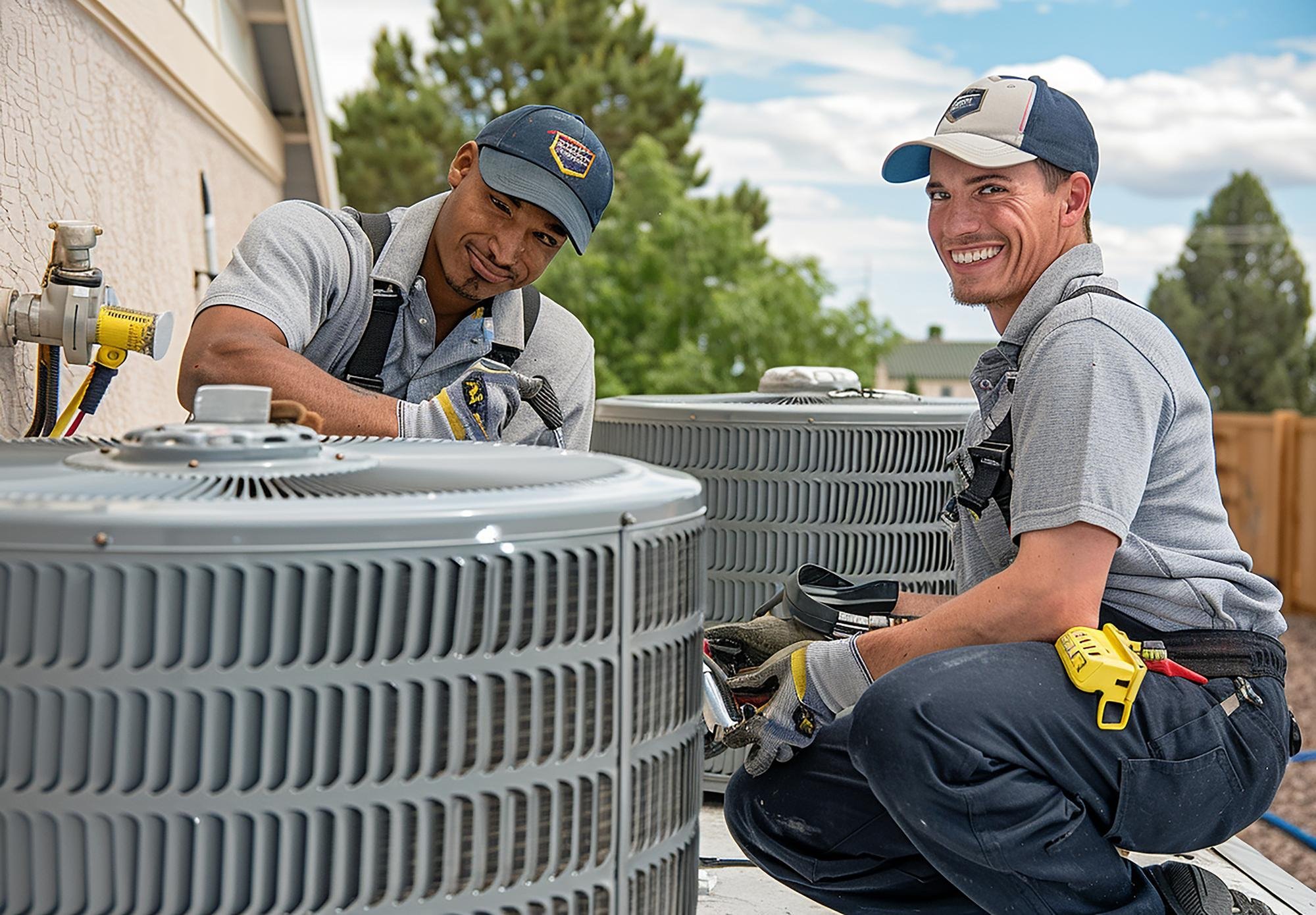
Heating Services Near Me: Winter Prep for Tucson Residents
Tucson winters are mild compared with the rest of the country, but they still demand respect. A few nights in the low 30s are enough to reveal weak insulation, balky thermostats, or a furnace that only sounds alive when you press reset three times. Preparing your heating system now saves money, reduces emergency calls on a holiday weekend, and keeps the house comfortable for pets, plants, and the people who live there.
I’ve worked with HVAC teams and homeowners across the Tucson metro for years. I’ve tightened ducts at sunrise, explained energy bills to skeptical renters, and replaced aging furnaces the week before a cold snap. The practical details matter: a clogged filter, a loose vent, or a failing capacitor rarely announce themselves politely. Below I’ll walk through sensible, realistic steps to get your system winter ready, how to recognize real trouble versus fixable quirks, and when calling a professional makes sense. If you search for HVAC Service Near Me, this should give you the questions to ask and callplunkett.com the traps to avoid.
Why winter prep matters in Tucson
Heating loads in Tucson are small relative to northern cities, but the consequences of neglect are outsized. A system that runs inefficiently wastes fuel and shortens equipment life. Moisture and dust settling into ducts during the long summer can aggravate allergies in the fall. Outdoor components that corrode under monsoon residue will fail once the thermostat finally calls for heat. And because many homes use heat pumps, a failed reversing valve or low refrigerant can leave you with no heat at all.
Beyond equipment health, winter prep protects household routines. A broken heating element or failed ignition tends to happen on the coldest night, and service calls become more expensive and slower when everyone else needs help too. A modest investment in inspections and preventive maintenance reduces that risk, and makes the whole season more predictable.
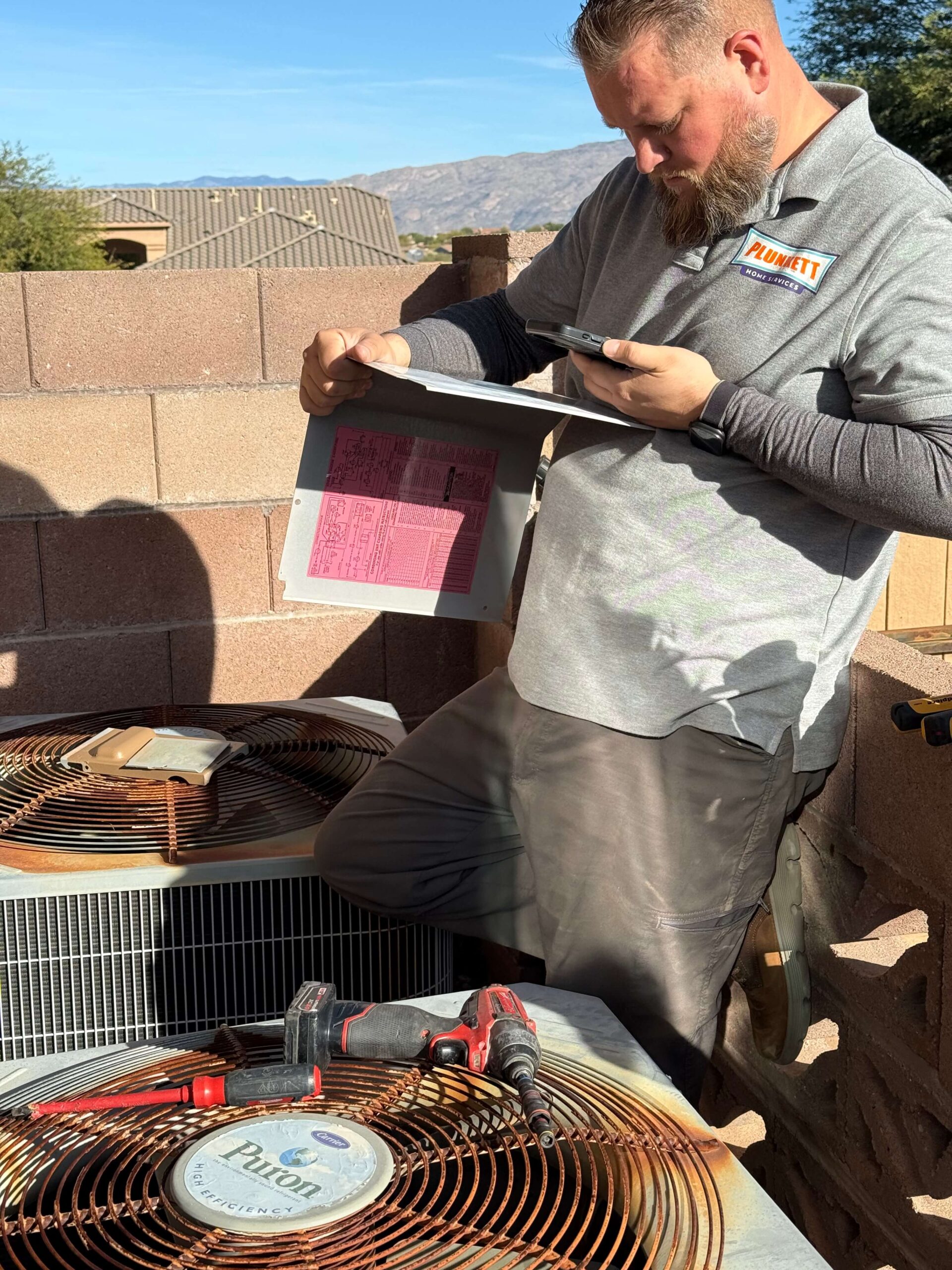
Quick checklist to inspect your system this month
- change the air filter if it’s dirty or if you cannot remember when it was last replaced.
- check thermostat batteries and verify the schedule settings match how you live.
- look for visible duct damage in attics and crawl spaces, and feel for cold leaks near joints and boots.
- clear the area around outdoor units, removing leaves, allows, and any landscaping that restricts airflow.
- test the system on heat mode for at least 15 minutes before the first cold night, note any strange sounds or smells.
These five checks are simple, each takes under 30 minutes for most homes, and they prevent the most common winter failures. If any step raises questions, document what you saw and consider a professional inspection.
What to expect when testing your heating system
Turn the thermostat to heat, set the temperature a few degrees above room temperature, and observe the start sequence. A gas furnace will typically ignite within a minute after the inducer motor starts; modern units use electronic ignition rather than a constantly burning pilot. You should hear a steady, even burn and feel warm air from the vents within a few minutes. Older furnaces sometimes cycle several times before settling into steady operation because of draft or pressure switch issues.
Heat pumps behave differently. On a mild Tucson night, many heat pumps operate efficiently, but when temperatures drop near freezing some models will run the auxiliary electric heat while the compressor cycles on and off. That extra electricity shows up on the next bill. A heat pump that refuses to run, runs but makes loud knocking, or produces only cool air despite calling for heat likely needs service.
Watch for the following live symptoms; they are real signals that you should call a technician rather than keep tinkering. I’ll list the signs so you can identify whether the problem is a minor fix or a professional job.
Common warning signs and what they mean
- furnace or heat pump shuts down shortly after starting, this often points to airflow restriction from a dirty filter or a blocked return. It can also indicate flame sensor issues in gas furnaces.
- persistent yellow or flickering burner flame in a gas furnace, this can mean incomplete combustion and is a safety concern that merits immediate professional attention.
- unusual burning or metallic smells on startup, these can be from dust burning off a recently idle system, but persistent odors or electrical aromas require service.
- rising utility bills without a change in usage patterns during cooler weather, this suggests inefficiency from compressor strain, failing motors, or low refrigerant in heat pumps.
- loud banging or clanking noises when the system cycles, sometimes a loose component, sometimes a problem with the blower motor or a failing heat exchanger.
If you see any of the above, call a licensed HVAC contractor Tucson AZ. Safety matters, particularly with gas appliances and electrical components. A qualified technician can run diagnostics, test combustion and ventilation, and recommend a repair that avoids repeated trips.
How professionals approach winter prep
When a homeowner calls an HVAC company in Tucson AZ for winter prep, technicians follow a sequence that minimizes missed issues. They inspect filters and thermostats, measure pressure and amperage on motors, check combustion efficiency on gas furnaces, verify refrigerant charge on heat pumps, and examine ductwork for leaks. They clean critical components, tighten electrical connections, and test safety devices. Many will provide a written report showing what was checked, what’s within acceptable ranges, and what will fail soon based on age and observed wear.
A competent HVAC contractor Tucson AZ will also explain trade-offs. For instance, replacing a 15-year-old heat pump might seem expensive now, but paired with a modest insulation improvement it can drop your winter and summer bills by a noticeable margin. Conversely, replacing a furnace that still has many serviceable years left may not be the best move if it has been regularly maintained.
When to repair versus when to replace
Deciding between HVAC repair and replacement is part art, part math. Repair if the issue is isolated, the equipment has been maintained, and the expected remaining life is at least three to five years. Replace when the cost of repair approaches 30 to 40 percent of a new system’s value, when repairs become frequent, or when the unit uses obsolete refrigerants or components no longer widely supported.
Consider this example: a 12-year-old heat pump requires a compressor replacement estimated at 40 to 50 percent of the cost of a new unit. If the home’s insulation and ductwork are average, replacing the compressor might be defensible for one winter while budgeting for a new system in spring. If the ducts are leaky and the home has poor insulation, investing in the new heat pump now yields better efficiency and comfort, because a new system paired with duct sealing performs more reliably.
Choosing local HVAC experts in Tucson AZ
A local contractor brings value beyond price. They know municipal codes, they understand Tucson microclimates where mountain breezes can cause different load patterns, and they have supply chains for common replacement parts. When you search for Heating services near me, prioritize companies with clear licensing, verified customer references, and transparent pricing.
Ask these questions when evaluating estimates: Are permits included? Will they provide a written scope and parts list? Do warranties cover both parts and labor, and for how long? Are service visits guaranteed within a certain timeframe during emergencies? A reputable HVAC company in Tucson AZ will answer these directly and provide clear next steps.
Why regular maintenance saves money
Routine maintenance catches small problems before they become emergencies. Tightening electrical connections reduces motor strain, cleaning coils improves heat transfer, and calibrating thermostats prevents unnecessary cycling. Together these steps reduce energy use and extend component life.
A quick example from my experience: a homeowner called repeatedly about uneven heating and high bills. Technicians found multiple issues, including a clogged outdoor coil, a failing capacitor on the blower motor, and a misconfigured thermostat. The combined fixes cost far less than replacing the entire system and cut the homeowner’s winter bills by a measurable margin. Maintenance also creates a record, which helps when negotiating service contracts or selling a home.
How to prepare older homes and unique situations
Many Tucson homes have quirks that affect heating. Adobe and block walls store and release heat differently than wood-frame homes. High ceilings, common in older period homes, increase heating load and often require zoned solutions to keep rooms comfortable. Rooftop units on multi-family buildings may have unique venting and access constraints.
If your home is older, expect trade-offs. Ductwork may run through confined spaces and present challenges for sealing. Radiant or baseboard systems rarely require the same checks as forced air, but their controls and valves can stick after months without use. I recommend a walk-through with a technician who understands these idiosyncrasies and can prioritize measures that deliver the most comfort per dollar.
When to call Plunkett Home Services or another provider
Plunkett Home Services appears among local providers many Tucson residents mention for balanced service and straightforward communication. If you prefer a company with local grounding, ask them about their preventive maintenance plan, emergency response windows, and how they document completed work. Compare their estimate with two other licensed HVAC contractors Tucson AZ to ensure competitive pricing and transparent options.
If you opt to call a company, prepare by noting the system make and model, the age of the unit, and any previous repairs. Photograph labels if you can. Provide a clear description of symptoms, including sounds, smells, or when the issue first appeared. This speeds diagnosis and often reduces time on the road and the overall cost.
Balancing DIY and professional work
There’s room for homeowner involvement without risking equipment or safety. Changing filters, clearing debris from outdoor units, and replacing thermostat batteries are tasks anyone can do. Tightening a loose vent register or insulating visible duct joints in the garage are reasonable DIY projects. Avoid anything involving gas lines, refrigerant, electrical diagnostics above basic breaker checks, or internal furnace components. Those repairs require specialized tools and certifications.
For many households, the best approach combines proactive DIY with annual professional service. You do the simple tasks monthly or seasonally, and schedule a fall inspection with a trusted HVAC company in Tucson AZ. That rhythm keeps costs down and reduces the likelihood of emergency breakdowns.
Energy-saving tips that make a real difference
Small changes compound quickly. Lowering the thermostat one or two degrees at night, using programmable or smart thermostats that reflect occupancy patterns, and sealing obvious air leaks around doors and windows are high-impact, low-cost moves. Replacing a dirty filter with a clean, correctly sized high-MERV filter can improve airflow and air quality; however, ensure your blower motor can handle a higher resistance filter, or choose a mid-range MERV that balances capture with airflow.
If you have a heat pump, set it to favor the compressor as much as possible before enabling electric strip heat. Electric auxiliary heat spikes bills. Zoning, either through programmable thermostats or register dampers, gives control over areas of the house seldom used, further reducing runtime and energy costs.
Budgeting for winter service and upgrades
Expect to pay a fair diagnostic fee for after-hours or emergency calls that is higher than a scheduled weekday visit. Routine maintenance visits during regular hours are typically priced more affordably and often include discounts for contracts. If you plan to upgrade equipment, get at least three written estimates that include system efficiency ratings, estimated installation times, and references.
Consider the total cost of ownership. An efficient new heat pump will cost more upfront but lower both heating and cooling bills for years, an important factor in Tucson where AC repair and cooling spans most of the year. When comparing bids, normalize on estimated seasonal energy use and projected savings, not just sticker price.
Final practical checklist before the first cold snap
- confirm filters are clean, thermostat set, and batteries fresh.
- test-run the heating system for 15 minutes and note any strange behavior.
- document system model and age with photos for easier service calls.
- schedule a professional tune-up if it has not been serviced in 12 months.
- arrange for a licensed HVAC contractor Tucson AZ to inspect gas lines or refrigeration components if you suspect trouble.
Acting now turns an anxious wait for winter into a controlled, planned upgrade. Local HVAC experts Tucson AZ are available and ready to help, whether you need a quick tune-up, HVAC repair, or a thoughtful replacement and upgrade. If you search for HVAC Service Near Me, keep these practical checks and questions at hand. A modest investment in inspection and maintenance today avoids the worst surprises and keeps your Tucson home warm, efficient, and safe when the cool nights arrive.
Plunkett Home Services
3144 E Fort Lowell Rd, Tucson, AZ 85716
+1 (520) 808-2743
tailoredmechanical@gmail.com
https://callplunkett.com/