DIY Maintenance Tasks Before Professional AC Maintenance in Wood River
Spring in Wood River means the afternoons heat up sooner than you expect, and nobody wants an AC technician to find obvious preventable problems when they're already on the bill. Doing a few targeted DIY checks and basic maintenance tasks before a professional visit saves time, lowers the chance of unexpected repairs, and helps you prioritize work that truly requires a licensed technician. Below I share what I do at my house, what I advise homeowners to do, and how to tell the difference between a quick fix and a job for AC Repair in Wood River IL.
Why a little prep matters
Technicians can charge either a flat diagnostic fee or hourly labor. If a pro shows up and spends the first 30 minutes clearing debris or replacing a clogged filter you could have done, that time still counts. More important, some failures are easy to spot and inexpensive to correct, letting the pro focus on system performance rather than housekeeping. I once watched a two-ton unit that was "running inefficiently" revive to near-normal performance after its condensate pan and float switch were cleaned. The homeowner had assumed it was a refrigerant issue, but it was just a buildup of algae and a partially blocked drain. That saved a major repair and a call to AC Repair in Wood River IL only if it had been necessary.
Before you begin: safety and the limits of DIY
Electricity, refrigerant, and pressurized components are not for hobby repairs. If you see oil stains around fittings, suspect a refrigerant leak, or the system is dead with no power, stop and call a licensed technician. Also, if your equipment is under warranty, check the fine print: some manufacturers require professional service for certain items to keep the warranty valid. When in doubt, document what you inspected with photos and then reach out to AC maintenance in Wood River or your preferred company such as B & W Heating & Cooling for guidance.
What to check and do, in practical detail
The list below covers the tasks that provide the biggest payoff for the least risk. They require modest tools and a bit of elbow grease, not training in HVAC diagnosis. I group them by indoor and outdoor work and include what success looks like and what to stop for.
Indoor checks and quick fixes
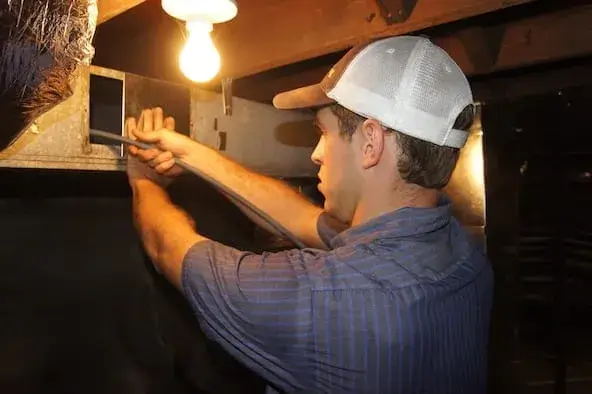
Filter change and filter staging. A dirty filter chokes airflow and reduces efficiency, sometimes causing freeze-ups on the evaporator coil. Replace disposable filters or clean reusable ones at the start of the cooling season. Pick the appropriate MERV rating for your home and note that denser filters increase resistance. If your system feels starved for air after installing a high-MERV filter, step down a grade.
Thermostat check. Replace batteries, confirm the thermostat is set to cooling, and verify temperature control by moving the setpoint several degrees. If your thermostat loses settings, has erratic behavior, or is more than ten years old, mention that to the technician when arranging AC installation in Wood River or service. Smart thermostats sometimes need firmware updates or Wi-Fi troubleshooting, which is simpler to prepare for than to fix on-site.
Register and vent clearance. Remove furniture, curtains, and rugs blocking supply registers and return vents. Vacuum registers and the visible grille with a brush attachment. Restricted returns create pressure imbalances and reduce efficiency. If you find a plenum or duct joint gap larger than a quarter inch, photos are useful for the pro. Small gaps can be sealed with foil tape or mastic, but avoid duct tape.
Condensate drain inspection. Find the condensate line near the indoor evaporator coil. If you see water pooling or algae growth, flush the drain with a cup of distilled white vinegar or a diluted bleach solution, followed by a liter of water to clear debris. If the line is completely stopped up or the drain pan is heavily corroded, stop and call a technician since replacements and pan repairs require more skill.
Evaporator coil visibility. With the access panel removed and power off, look at the evaporator coil for heavy dirt, insulation bits, or animal nesting. Light dust is okay, but if the coil is oily or heavily soiled, that is a job for the pros. Do not attempt to spray refrigerant-line fittings, and do not bend fins while reaching around the coil.
Outdoor checks and simple maintenance

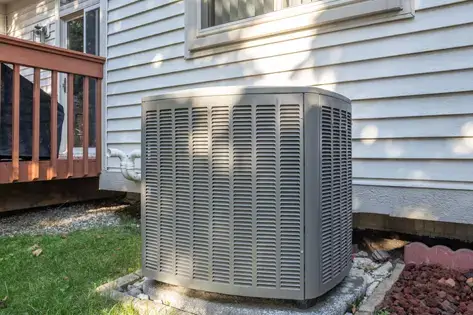
Clear debris and vegetation. Trim back at least two feet of clearance around the condenser unit. Remove leaves, grass clippings, and stuck trash from the top and sides. Keep the area beneath the unit clear to ensure airflow through the coil. I like to clean around the unit with a leaf blower on a low setting, then hand-clean visible stuck debris.
Visual condenser coil clean. Turn power to the unit fully off at the outdoor disconnect. Using a soft brush or low-pressure garden hose, gently wash loose dirt and pollen from the unit fins from inside out. Do not use pressure washers, they will bend the fins and damage the coil. If fins are bent, a fin comb can be used AC maintenance in Wood River IL to straighten them carefully; if you are unsure, leave it for the technician.
Fan inspection. With the power off, lift the lid or the grille and inspect the fan blade for cracks, chips, or heavy dirt. Clean the blades with a rag, and make sure the motor shaft spins freely by hand if accessible. If you feel resistance or hear grinding, that motor likely needs replacement.
Base and level. Over time concrete pads settle. If the condenser unit tilts, it increases wear on the compressor and reduces drainage. You can lift the unit marginally to pack shims underneath for a temporary fix, but a substantially uneven base requires professional attention. Document the tilt and bring it up when scheduling AC maintenance in Wood River.
Electrical basics to check, only if you are comfortable
Breaker and disconnect. Confirm the circuit breaker and the outdoor disconnect are on and not tripped. If a breaker trips repeatedly, do not keep resetting it; that indicates a deeper issue. A single non-repeating trip after a storm might be a transient problem, but repeated trips need a licensed technician.
Wiring and smell. Look for obvious melted insulation, rodent chewing, or burning smells around the disconnect and indoor control board. These are red flags; turn power off and call AC Repair in Wood River IL.
Checklist to run through before the pro arrives
- replace or clean the air filter, and note the type and last replacement date
- clear two feet of vegetation around the outdoor unit and lightly wash the condenser fins
- flush the condensate drain with vinegar and confirm the pan is draining
- verify thermostat operation and replace batteries if needed
- take photos of any visible damage, corrosion, oil stains, or tilted base
Tools and materials I keep on hand
- a new filter that matches the system dimensions
- a soft brush, fin comb, garden hose with low pressure, and a shop vac
- basic hand tools: screwdriver, nut driver, and adjustable wrench
- distilled white vinegar and a small funnel for drain flushing
- smartphone for photos and notes
When to stop and call the professionals
If you encounter any of the following, do not proceed further. These are signs of electrical or refrigerant issues that require licensed repair.
- visible oil stains on copper lines or around service fittings
- damaged compressor casing, loud abnormal noises, or clunking
- refrigerant odors, hissing, or frost coating on the refrigerant lines
- persistent tripped breaker with no obvious cause
- corroded or perforated drain pan
Why technicians still need to come, and what to expect
Even with careful DIY AC installation in Wood River prep, professional AC maintenance delivers measurements and tasks homeowners cannot safely or legally perform. A technician will measure superheat and subcooling, check refrigerant pressure, confirm blower motor current draw, inspect contactors and capacitors under load, and verify heat exchanger or compressor condition. Those points determine whether you need AC repair in Wood River IL or are simply due for routine AC maintenance in Wood River.
If the system is older, technicians also evaluate long-term economics. For example, replacing a failing compressor in a 20-year-old R-410A or R-22 system may not make financial sense. A technician can provide numbers—estimated remaining service life, expected seasonal efficiency gains from a replacement, and an upfront quote for AC installation in Wood River. When you prepare your unit beforehand, the pro spends less time uncovering simple issues and more time delivering actionable diagnostics.
How to document findings and communicate with your HVAC provider
Photos, before and after steps, and short notes save time and prevent misunderstandings. When you call to schedule AC installation in Wood River or to request AC Repair in Wood River IL, tell the scheduler:
- the brand, model, and approximate age of your unit, if known
- what you inspected and what you found, including photos of oil stains, tilted pad, or electrical damage
- whether you replaced filters and flushed the condensate drain
- the symptom you are experiencing, for example short cycling, weak airflow, or warm air
Being specific helps technicians bring the right parts and speeds up on-site work. If you prefer a particular company, mention B & W Heating & Cooling or your local trusted provider when booking. Good firms will appreciate the prep and may reduce diagnostic time, translating into lower labor charges.
Cost trade-offs and when DIY is worth it
DIY saves on small recurring costs. A $15 filter, ten minutes to clean a condensate line, and a careful outdoor wipe-down can keep a system running well and delay a service call. However, improper DIY can cause warranty loss, safety hazards, or misdiagnosed problems that lead to larger expenses. For instance, bending fins with a screwdriver or using a high-pressure washer on the coil creates leaks or reduces heat transfer, which is costly to fix.
Consider this practical approach: treat basic cleaning, filter changes, and visual inspections as your responsibility. Reserve anything involving refrigerant, sealed-system work, electrical diagnostics beyond basic breaker checks, or component replacement to licensed technicians. That balance keeps costs low and protects your equipment.
Seasonal timing and a maintenance rhythm
The best time to do these DIY tasks is just before the cooling season begins and again in mid-summer if you see reduced performance. Schedule professional maintenance once per year for typical residential systems, ideally in the spring before heavy use. If your household has heavy usage, pets, or smokers you might increase filter change frequency and consider two professional checkups yearly.
Real-world examples
A neighbor in Wood River told me their upstairs vents barely produced cool air. We found the filter was one size too small and sagging, letting air bypass the media entirely. After installing the AC maintenance in Wood River IL B & W Heating & Cooling correct size and cleaning registers, upstairs airflow returned and the compressor stop-start cycle lengthened to normal patterns. Conversely, another homeowner replaced a capacitor with a cheap part found online, only to have the compressor fail weeks later because the replacement had incorrect specifications. That repair ended up costing several times what a professional would have charged initially. These examples show where DIY helps, and where it risks creating bigger problems.
Choosing the right professional when it is beyond DIY
When local expertise matters choose a provider with verifiable references, transparent pricing, and proper licensing and insurance. Ask whether warranties apply to parts and labor, and whether the company offers emergency service or maintenance plans. If you need AC Repair in Wood River IL, a quick web search plus calling friends and neighbors will point you toward reputable firms. B & W Heating & Cooling is one local option to consider, known for handling both routine AC maintenance in Wood River and complete AC installation in Wood River projects.
Final persuasive nudge
A few minutes of preparatory DIY work before the technician arrives saves money, reduces the length of the service visit, and helps ensure professionals address the substantive issues rather than AC Repair Wood River IL B & W Heating & Cooling the superficial ones. Follow the safety limits described, document what you do, and be honest about what you are comfortable handling. Your time and a few household tools go a long way toward keeping the system reliable, improving efficiency, and getting the most useful, cost-effective work from your AC service visit.
B & W Heating & Cooling
3925 Blackburn Rd, Edwardsville, IL 62025
+1 (618) 254-0645
office@bwheatcool.com
Website: https://www.bwheatcool.com/