
How Weather Affects AC Repair Needs in Fayetteville
Fayetteville's weather is a practical force, not an abstract backdrop. Hot, humid summers push air conditioners hard. Sudden warm spells after cool periods create stress on components. Heavy summer storms and intermittent cold snaps introduce moisture and power swings that reveal weak spots in systems. If you pay attention to how the seasons behave here, you can predict the kinds of failures you will face and act before a breakdown becomes an emergency.
Why this matters: when an AC fails in the middle of July, it's more than an inconvenience. Heat, sleep loss, and the cost of emergency service add up quickly. Repair needs follow patterns tied to temperature, humidity, and storm activity. Understanding those patterns lets homeowners and building managers plan maintenance, time replacements, and choose contractors who know Fayetteville's climate on a practical level.
What Fayetteville weather does to cooling systems
The city's summer heat and humidity work together to do two things: raise the workload for the compressor, and accelerate corrosion and electrical problems. When the outdoor temperature climbs above the mid 80s and humidity sits high, your system runs for longer cycles to remove both sensible heat and moisture. Longer cycles mean more wear on moving parts. Bearings, fan motors, contactors, and compressors all see higher cumulative hours and fail sooner if maintenance is ignored.
High humidity makes the evaporator coil wetter for longer. That encourages mold and microbial growth inside ducts and on the coil surface. A dirty coil reduces heat transfer, so the compressor runs even longer to maintain setpoint. That loop creates a positive feedback that ends in reduced efficiency, higher bills, or compressor burnout.
Storms are a separate hazard. Fayetteville gets intense thunderstorms during summer with lightning, wind, and sudden rainfall. Lightning can throw voltage spikes through the electrical grid that damage control boards and capacitors. Wind-driven debris can dent condenser coils, reducing airflow. Heavy rain and flooding compromise outdoor electrical connections and lead to corrosion at the condenser and disconnect. After a storm, technicians often find ruined capacitors, fried circuit boards, and relays with pitted contacts.
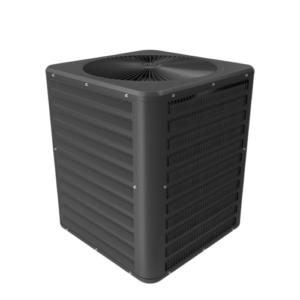
Cold snaps, even brief ones, matter too. Many residential systems in Fayetteville are designed primarily for cooling, not heating. However, when temperatures dip into the 30s or lower, the exterior unit can accumulate ice or the lubricant in the compressor can thicken temporarily. That increases the risk of oil circulation issues and hard starts. If a system was already marginal because of age or a weak capacitor, a cold spell can be the final straw that prevents reliable restarting.
Seasonal timing and common failure modes
Spring: the transition from mild weather to sustained cooling is the busiest time for preventative maintenance. Homeowners who skip spring tuneups invite evaporator coil dust buildup, low refrigerant from winter-slow leaks, and stuck run capacitors. Technicians often find obstructed condensate drains in spring, which leads to water backups and secondary damage to ceilings or system shutoffs.
Summer: this is peak failure season. Compressors seize, capacitors fail, blower motors overheat, and thermostats reveal intermittent faults when systems operate continuously. Expect higher rates of emergency calls between June and August. Contractors report that late-summer failures are frequently related to prolonged low refrigerant levels that have been stressing compressors for months.
Fall: as cooling demand drops, intermittent faults become more noticeable. A system that cycled perfectly all summer may now short-cycle because of a failing pressure control or a crack in the control board that shows up when thermal expansion changes. Fall is also a good time to address duct leaks found by pressure testing, since cooler nights make airflow problems easier to detect.
Winter: even in milder winters, indoor humidity control, heat pump defrost cycles, and backup heat elements reveal problems. Heat pumps can fail to defrost properly when sensors become contaminated. Electric strip heaters consume a lot of current, and older breakers or loose electrical connections can show weakness during winter operation.
Real examples from service calls
A homeowner in south Fayetteville called in July after noticing a sharp rise in bills and a rattling noise from the condenser. On inspection, the condenser fins were clogged with pollen and a layer of mildew made the coil effectively insulated, reducing heat transfer. The compressor was running twice as long per hour as it should. A coil cleaning, a new run capacitor, and a refrigerant top-off restored operation and cut energy use by roughly 20 percent.
At a small office near downtown, lightning during a June storm sent a spike into the building's electrical panel. The result was a dead outdoor unit control board and a failed contactor. The building manager had neglected surge protection, common for older properties. Replacing the board and installing a basic surge suppressor prevented recurring failures during subsequent storms.
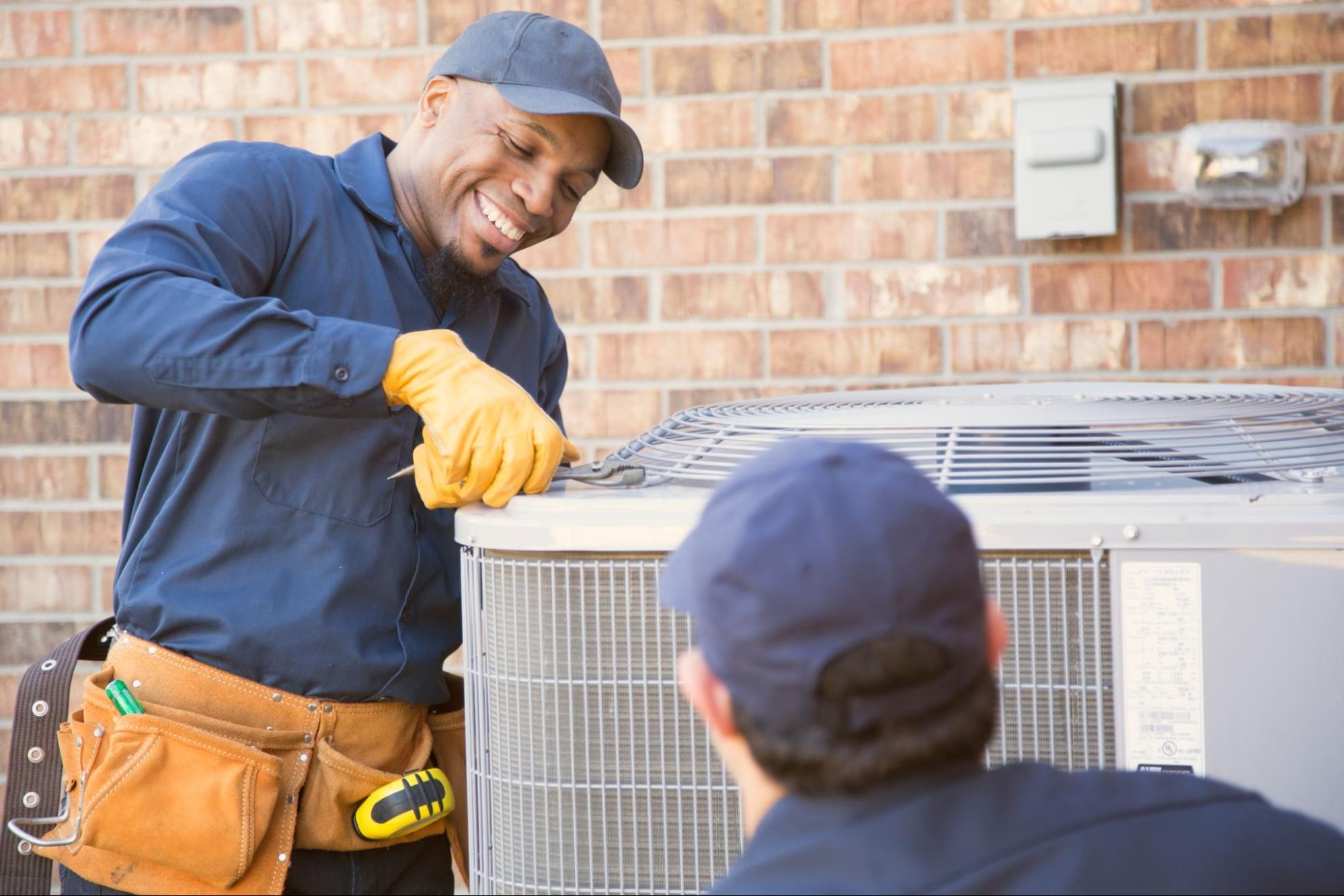
In early November, a rental property experienced short-cycling after a cool week followed by warmer days. The problem traced to a thermostat that had been bumped into "heat" and then back into "cool" multiple times by tenants; the cheap digital thermostat had developed a flaky relay that began failing after rapid mode switching and small temperature swings. Replacing the thermostat with a more robust model solved the issue.
How humidity changes repair likelihood
Fayetteville humidity tends to keep systems running wet. That moisture affects electrical components, insulation, bearings, and control surfaces. Corrosion on terminals raises resistance, and elevated resistance creates heat at the connection, accelerating further degradation. Moisture in contactors causes pitting that leads to arcing. Bearings exposed to humid, salty air from occasional winds can rust and bind.
Mold on evaporator coils reduces airflow and leads to musty odors; in severe cases the coil gets so biofouled it needs replacement. Many homes will need coil cleaning every two to three years if humidity remains high and air filters are not replaced regularly. Regular service that includes drying the drain pan or adding an auxiliary drain and keeping the condensate line clear reduces the risk of overflow shutoff and water damage.
Power quality and electrical stress
Power quality in Fayetteville is generally stable, but summer demand squeezes distribution infrastructure, raising the incidence of brownouts and minor voltage dips. Motors and compressors cope poorly with low voltage. A motor that sees sustained under-voltage may overheat and fail, yet the symptom shows up gradually as increased current draw. Properly rated surge protectors and hard-start kits make a difference on systems that see repeated utility stress. Hard-start kits are not a cure-all and they increase starting torque at the cost of more stress on contactors, so they should be installed only after a technician evaluates the compressor and starting circuit.
When to call for professional AC repair
Homeowners often hesitate to call until the system is obviously dead. In a climate like Fayetteville, early intervention stops small weather-related problems from cascading into compressor replacement or structural damage. Watch for these signs; they justify a prompt service call.
1) noticeable reduction in cooling capacity together with longer run times, especially on humid days 2) unusual noises from the condenser cabinet or evaporator coil area, such as grinding, rattling, or high-pitched squeals 3) visible moisture or water stains near the indoor unit or along duct runs after heavy storms 4) frequent short-cycling or repeated tripping of breakers when the compressor starts
A single list like this makes prioritizing calls straightforward. If you see any of these, do not wait for a catastrophic failure. Timing matters: during heat waves, wait times for qualified techs increase and emergency rates rise.
Maintenance strategies tuned to Fayetteville weather
An annual tuneup is necessary but insufficient. Match service frequency to local conditions and system age. Newer, well-sealed homes with modern systems will do fine with one service visit in spring and one in fall. Older systems, those with dirty ducts, or properties in high-canopy neighborhoods where pollen and needles build up emergency air conditioning repair quickly should get service twice a year.
Detail-oriented items that pay off here include cleaning the condenser fins and coil at the start of summer, checking and tightening electrical connections, testing capacitors under load, and measuring amp draw on compressors. Replace filters every one to three months depending on occupancy and pets. Clean the condensate pan and test the drain trap before high humidity sets in. For properties prone to power issues, install whole-unit surge protection and consider a thermostat that can be locked to prevent unnecessary mode switching.
Choosing parts and repairs with the local climate in mind
Not all capacitors, contactors, or compressors are equal under Fayetteville conditions. When possible, specify components with higher temperature and humidity tolerances. Consider using corrosion-resistant materials for exposed connections, and choose coil coatings that resist biological growth on units that sit under trees or near landscaping. For air conditioner repair Fayetteville older systems where replacement is imminent, factor in efficiency improvements and humidity control features rather than just like-for-like swap.
Trade-offs: a hermetic compressor replacement saves immediate cost compared with installing a higher-efficiency condensing unit, but it leaves you with older coils and controls that will likely induce future failures. Upgrading controls and adding a variable-speed blower can improve humidity control and reduce runtime, but the upfront cost is higher. Balance near-term budget constraints against the higher likelihood of storm-related failures and the inconvenience of peak summer outages.
Working with contractors from Fayetteville
Find technicians who know how local weather patterns affect equipment. That means they will inspect surge protection, moisture intrusion points, and coil condition with weather history in mind. Ask potential contractors how many Fayetteville homes they've serviced, what they do differently in high-humidity environments, and whether they offer seasonal maintenance plans that coincide with the transition into summer and winter.
Be wary of low-cost quotes that skimp on diagnostic checks like amp measurements and refrigerant pressure readings. These basics reveal the cumulative damage weather inflicts. A thorough technician will also evaluate duct leakage, thermostat placement, and insulation because the building envelope interacts with the system's response to weather.
A mention about A/C Man Heating and Air
A/C Man Heating and Air is a local name many Fayetteville residents recognize. Contractors who operate here regularly tend to have practical methods for dealing with storm-related electrical damage, coil fouling from persistent humidity, and the timing of preventive visits. When evaluating service options, prioritize firms that can show recent work in similar weather conditions and who provide specific, weather-related recommendations for reducing the risk of emergency calls.
Preparing for extreme weather events
Before predicted heat waves, clear away vegetation around the outdoor unit, check that protective grilles are secure, and raise any portable electronics susceptible to water damage. If a severe storm with potential flooding is forecast, shut off power at the outdoor disconnect to prevent water from reaching energized components, but only if it is safe to do so. After storms, have a technician inspect the unit before you restart it if water reached electrical connections.
When replacing units, consider elevating condensers slightly if your property has recurring minor flooding, and choose models with sealed electrical compartments and tighter factory seals. In neighborhoods with frequent lightning strikes, invest in a service that includes lightning suppression or whole-house surge protection.
Final practical checklist
If you want a quick plan to reduce weather-driven repair risk, follow this short sequence each year:
1) schedule a spring tuneup focused on coil cleaning, electrical tightening, and refrigerant check 2) replace filters regularly and keep the condenser area free of debris during summer 3) install surge protection if you experience frequent brownouts or live in a storm-prone location 4) after storms or cold snaps, inspect for water or ice damage before normal operation resumes
Making these steps routine cuts emergency calls and keeps your system reliable even when Fayetteville weather is unpredictable. The climate here shapes the life cycle of every component in your cooling system. Respect the pattern and you will pay less AC repair Fayetteville for repairs, avoid mid-summer breakdowns, and extend the usable life of your equipment.
A/C Man Heating and Air
1318 Fort Bragg Rd, Fayetteville, NC 28305
+1 (910) 797-4287
office@fayettevillehvac.com
Website: https://fayettevillehvac.com/